


Mini, Full, and Semi Scleral Lenses: What’s the Difference?
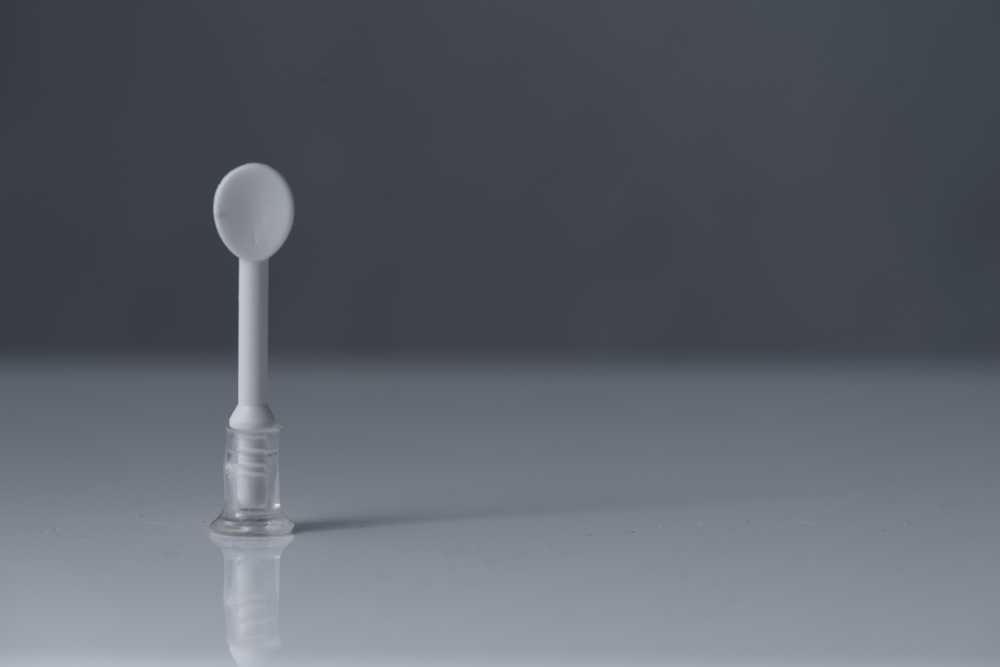
Scleral lenses are specialty contact lenses designed to rest on the white part of the eye, called the sclera, rather than directly on the cornea. This design creates a smooth optical surface and allows space for a fluid reservoir between the lens and the eye. At ALPHA EYEcare ASSOCIATES, PLLC, we often recommend scleral lenses for patients who need more comfort, stability, or visual clarity than traditional soft contact lenses can provide.
What Are Mini Scleral Lenses?
Mini scleral lenses are smaller than full scleral lenses but still larger than standard contact lenses. They vault over the cornea and land on the sclera, which can make them more comfortable for patients with irregular corneas, dry eye, or sensitivity from traditional lenses.
Because of their smaller size, mini scleral lenses may be easier for some patients to handle, insert, and remove. They can be a good option when the eye needs extra support without requiring the largest lens design.
What Are Semi Scleral Lenses?
Semi scleral lenses are slightly larger than corneal lenses but generally smaller than full scleral lenses. Depending on the patient’s eye shape and vision needs, these lenses may rest partially on the cornea and partially on the sclera.
Semi scleral lenses can help improve lens stability and comfort, especially for patients who struggle with standard rigid gas permeable lenses. They may be used for mild to moderate corneal irregularities or when a traditional contact lens does not stay centered well.
What Are Full Scleral Lenses?
Full scleral lenses are larger lenses that completely vault over the cornea and rest entirely on the sclera. Because they create a larger fluid reservoir, they may be especially helpful for patients with more advanced corneal conditions, severe dry eye, keratoconus, post-surgical corneas, or significant irregular astigmatism.
This design can provide excellent comfort because the lens does not rub directly against the sensitive corneal surface. Full scleral lenses can also offer stable, clear vision for patients who have not had success with glasses or standard contact lenses.
Key Differences Between Mini, Semi, and Full Scleral Lenses
The right lens depends on your eye shape, corneal health, tear film, prescription, and comfort needs. During a specialty contact lens fitting, we carefully evaluate these details to determine which design may work best.
Key differences may include:
- Lens size and where the lens rests on the eye
- Amount of corneal vault and fluid reservoir
- Comfort needs for dry or sensitive eyes
- Severity of corneal irregularity
- Ease of handling, insertion, and removal
- Stability of vision throughout the day
Which Scleral Lens Is Right for You?
There is no one-size-fits-all answer when comparing mini, semi, and full scleral lenses. A patient with mild corneal irregularity may do well with a smaller design, while someone with advanced keratoconus or severe dryness may need the coverage and protection of a full scleral lens.
At our office, we take precise measurements and evaluate how each lens interacts with your eye. Our goal is to help you achieve clearer vision, better comfort, and a lens design that fits your daily routine.
Specialty Contact Lens Care in Houston
If regular contacts feel uncomfortable or your vision still seems distorted with glasses, scleral lenses may be worth exploring. We provide specialty contact lens fittings in Houston for patients with hard-to-fit eyes, dry eye, keratoconus, and other complex vision needs.
Contact ALPHA EYEcare ASSOCIATES, PLLC in Houston, TX by calling (713) 721-9000 to schedule a specialty contact lens evaluation at our South Post Oak Rd or Galleria Area location.


South Post Oak Rd
12401 S. Post Oak Rd, Suite D
Houston, TX 77045
On the corner of South Main and south post oak, next to Chase Bank.
(713) 721-9000Patient Care Hours
| Monday | 11:00am - 7:00pm |
| Tuesday | 9:00am - 5:00pm |
| Wednesday | 11:00am - 7:00pm |
| Thursday | 9:00am - 5:00pm |
| Friday | 9:00am - 5:00pm |
| Saturday | Closed |
| Sunday | Closed |
WEEKDAY WALK-IN HOURS 11:00 AM- 4:00 PM

Galleria Area
3005 West Loop South, Suite 248
Houston, TX 77027
On the northbound feeder of 6 10 between Richmond and Westeimer, next to Diamonds Direct and baths of America
Patient Care Hours
| Monday | By Appointment Only |
| Tuesday | 8:00am - 4:00pm |
| Wednesday | By Appointment Only |
| Thursday | 8:00am - 4:00pm |
| Friday | 8:00am - 4:00pm |
| Saturday | Closed |
| Sunday | Closed |
© 2026 ALPHA EYEcare ASSOCIATES, PLLC All rights Reserved. Privacy Policy Sitemap
Powered by
